Acquired brain injury (ABI) is damage to the brain that happens after birth, rather than being present from birth. It can be caused by a traumatic event—such as a fall, assault, or motor vehicle accident—or by non-traumatic causes like stroke, brain infection, tumour, lack of oxygen, or substance-related injury. The effects of ABI vary widely depending on which areas of the brain are affected and how severe the injury is, and symptoms may appear immediately or develop over time.
People living with ABI can experience changes in thinking and memory, attention and processing speed, communication, mobility and balance, and emotional regulation or behaviour. Recovery often involves a combination of medical treatment and rehabilitation such as physiotherapy, occupational therapy, speech therapy, and psychological support, alongside adjustments at home, work, or school. With the right supports and strategies, many individuals improve their independence and quality of life, although some may have longer-term needs that require ongoing care and accommodations.
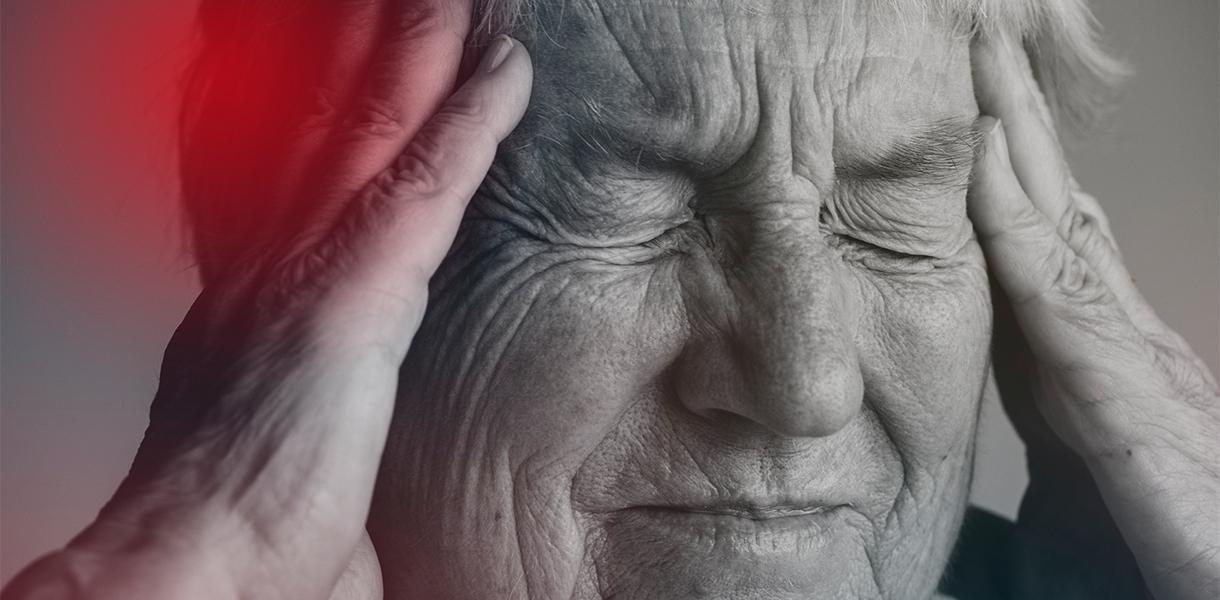
ABI can be mild, moderate, or severe. A mild ABI—often referred to as a concussion—may involve headaches, dizziness, fatigue, sensitivity to light or noise, and difficulty concentrating, and these symptoms can last days to weeks (and sometimes longer). Moderate to severe injuries may lead to more significant impairments, including seizures, ongoing cognitive difficulties, or challenges with daily activities, and they may require intensive rehabilitation and longer recovery periods.
Support for someone with ABI is most effective when it’s person-centred and consistent. Clear routines, step-by-step instructions, memory aids, and a calm environment can help reduce overwhelm and improve functioning. Families and caregivers also benefit from education and support, as ABI can affect relationships, employment, and mental wellbeing. Early assessment, regular follow-ups, and access to community resources can make a major difference in long-term outcomes.